The United States’ most famous wine region, Napa County - which includes the prestigious Napa Valley AVA and its sub-appellations - continues to draw tourists and wine lovers from across the globe in their thousands. Awe-inspiring scenery, fantastic facilities for tourists and a high concentration of America’s most prestigious wineries make Napa the region of choice for both casual consumers and clued-up connoisseurs.
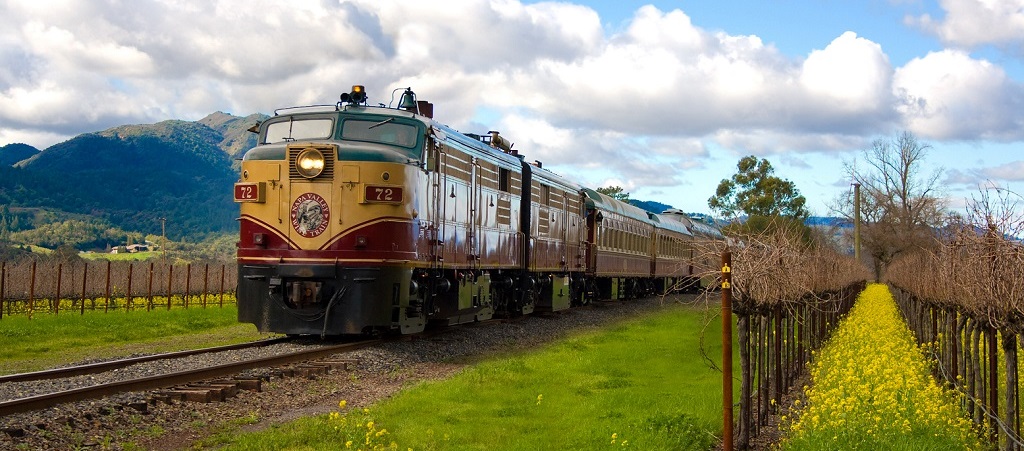
Sandwiched between Yolo and Sonoma, Napa County is a name synonymous with both winemaking excellence and a thriving tourism industry. With just over eighteen thousand hectares under vine (10% of the total geographical area), Napa - perhaps surprisingly - accounts for only 5% of total Californian production, whilst simultaneously constituting almost one third of the state's wine economy. The first vines were planted in the county during the 1830s and from then the industry began to expand rapidly, before being thwarted by Phylloxera and Prohibition. These obstacles took some time to overcome, and even after the repeal of the latter in 1933, the county’s wine industry took decades to return to its former glory. Only during the last fifty years - following the Paris Judgement - has Napa really begun to be recognised as an area of outstanding viticultural practice and truly marvellous wines. The climate here is classified as Mediterranean and characterised by long, warm summers with abundant sunshine and little precipitation, and contrastingly cool, wet winters. The natural topography of the area and the famous San Francisco fog help to moderate the temperatures during the growing season, affording many of the sheltered, inland plots the benefits of cooler conditions and thus making viticultural activity possible. Of course, the vastness of the area in question means that geological, climatic and topographical diversity is key, and as such a large range of grape varieties are able to thrive within the county’s bounds. Cabernet Sauvignon is undoubtedly the grape on which the reputation of Napa (and California in general) is built. Complex, oak-aged, well-structured varietals or Cabernet-based blends are the staple here, but other Bordeaux red grapes such as Merlot and Cabernet Franc are also popular, along with Pinot Noir and the principal white variety, Chardonnay. Whilst Napa Valley AVA covers much of the county’s viticultural land, there are various sub-appellations with more specific locations, which are often carried by producers on their labels. Amongst these, Oakville AVA, Rutherford AVA and Howell Mountain AVA are amongst the most distinguished. Tourism is a huge factor in Napa’s success. Easily accessible from the cultural and commercial hub of San Francisco, the area draws huge numbers of domestic and international visitors each year. More than five-thousand guest rooms are available in the county, gourmet dining in the region is on par with the wines, and there's even a wine train which takes tourists on a fifty kilometre tour of the viticultural area whilst serving them a host of gastronomic delights. Recognised since the Paris Judgement of 1976 for producing superior wines, California continues to be the leading light for New World nations, and Napa County is undoubtedly the state’s single most important region.