Region
Molise is a small wine region in the South of Italy. There is a growing respect for reds wines made with the Tintilia grape.
6
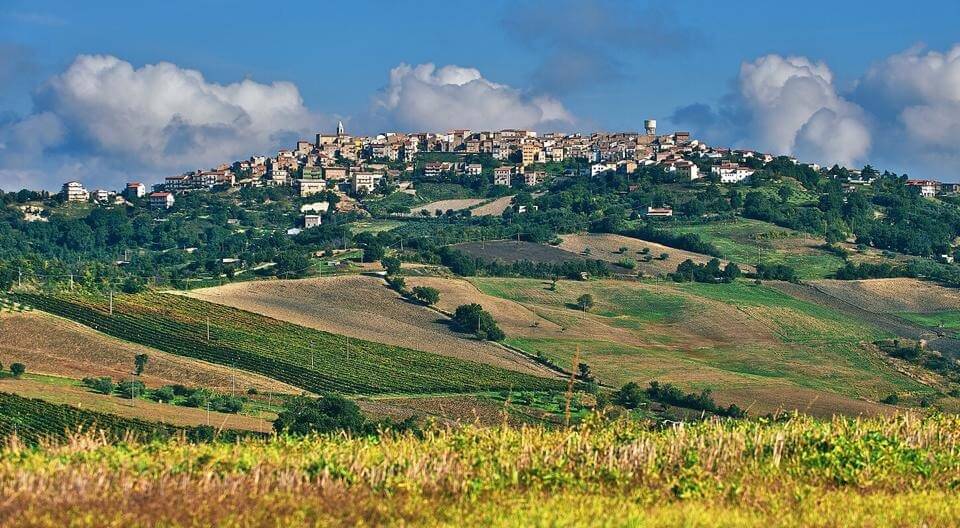
Molise, Italy’s second-smallest and least populous region, is a land of quiet beauty and underappreciated depth. Nestled between Abruzzo to the north, Puglia to the south, and Campania to the west, with a short stretch of coastline on the Adriatic Sea, Molise is often overlooked—both geographically and in the wine world. Yet this mountainous, pastoral region offers a compelling mix of rugged Apennine landscapes, gentle river valleys, and ancient hill towns untouched by mass tourism. Its isolation has preserved agricultural traditions and a strong regional identity, with roots that trace back to the Samnites, an Italic tribe predating the Roman Republic.
Culturally, Molise is a blend of influences—Samnite, Roman, Lombard, Norman, and Bourbon—and it retains a deeply rural character. The food is hearty and seasonal, rich in legumes, grains, wild herbs, and cured meats, with pasta alla molisana and caciocavallo cheese among its specialties. Despite its modest size, Molise supports a diverse agricultural economy, including olive oil, grain, and viticulture. In wine, as in much else, Molise moves at its own pace, maintaining traditional farming methods and low-intervention practices by necessity as much as by design. While production volumes are small and appellation recognition limited, a quiet revival is underway—anchored in native grapes and a commitment to authentic, site-driven wines.
Wine has been part of Molise’s history since pre-Roman times, when the Samnites cultivated grapes alongside cereals and livestock in the fertile valleys between the Matese and Apennine ranges. With Roman conquest, viticulture expanded, especially along the Biferno River, which served as a trade route to the Adriatic. Throughout the Middle Ages and into the early modern period, winemaking persisted at a subsistence level, with small family vineyards integrated into mixed farms. The mountainous terrain and limited infrastructure kept production local, and for centuries Molise remained outside the main currents of Italy’s commercial wine trade.
In the 20th century, Molise saw slow modernization, with cooperatives playing an important role in organizing production and improving technical knowledge. However, the region remained largely overshadowed by neighboring Abruzzo and Puglia, and much of its wine—particularly the reds—was sold in bulk or used for blending. The key turning point came in the 1990s and early 2000s, when a handful of producers began bottling under their own labels, often focusing on native varieties like Montepulciano, Aglianico, and Trebbiano. Improved vineyard management, better clonal selection, and a focus on terroir began to lift the region’s profile. Today, while Molise still produces relatively little wine in comparison to other regions, it is quietly carving out a place on the quality map of Italian wine—valued for its purity, honest craftsmanship, and untapped potential.
Molise’s terroir is shaped by its diverse elevations, temperate continental climate, and proximity to both the Apennine Mountains and the Adriatic Sea. Vineyards are typically located on hillside slopes between 300 and 600 meters in altitude, benefiting from excellent sun exposure, cool nighttime temperatures, and well-drained soils. The most significant zones—particularly around Campobasso and Larino—sit on clay-limestone and calcareous marl, offering both water retention and mineral complexity. These conditions favor late-ripening varieties like Aglianico and Montepulciano, which develop full phenolic ripeness without losing freshness.
In the Pentro di Isernia zone to the north, the terrain becomes more mountainous, with rocky, less fertile soils and a cooler climate that can support aromatic whites and lighter reds. In contrast, the southern areas closer to the Adriatic enjoy a more Mediterranean influence, with warmer temperatures, sea breezes, and sandy soils that help reduce disease pressure and enhance ripeness. Across the region, the relative lack of intensive agriculture and the small scale of vineyard holdings contribute to low intervention farming, often organically or sustainably managed by default. While Molise’s terroir is not yet mapped in great detail, its variability and natural balance make it increasingly attractive to producers committed to quality.
Molise’s grape palette includes both indigenous varieties and traditional southern Italian workhorses. Montepulciano is the most widely planted red grape, used in both Biferno and Molise DOCs, where it often contributes dark fruit, robust tannins, and a rustic edge. Aglianico, another key red, brings structure, acidity, and aging potential, especially in higher elevation sites where it ripens slowly. While these two grapes dominate many blends, the regional standout is Tintilia, an ancient variety whose revival has become a symbol of Molise’s viticultural future. Tintilia produces medium- to full-bodied wines with notes of black cherry, pepper, and iron, and shows real potential for both varietal expression and age-worthiness.
Among white grapes, Trebbiano Toscano remains widely planted, though often valued more for blending than character. However, a growing number of producers are working with Falanghina, Greco, and Malvasia, producing crisp, citrusy, and floral whites with good minerality and balance. In higher altitude areas, these whites can show surprising structure and complexity. Some international varieties like Chardonnay and Cabernet Sauvignon also appear, particularly in IGT bottlings, but the current momentum in Molise leans toward native grapes and traditional blends. The best wines tend to come from old vines, grown on hillside plots, and made in small quantities by producers committed to site expression and regional identity.
Molise has no DOCG zones, and only four DOCs: Biferno DOC, Molise DOC, Pentro di Isernia DOC, and Tintilia del Molise DOC. Of these, Biferno and Tintilia are the most important for regional identity. Biferno DOC, established in 1983, is named after the river that runs through the province of Campobasso and covers red, white, and rosé wines. The reds are typically blends based on Montepulciano (60–70%), with Aglianico and sometimes Trebbiano in supporting roles. These wines are known for their rustic charm, good acidity, and aging potential.
Tintilia del Molise DOC, created in 2011, is the most exciting and unique of the region’s designations. It is based on Tintilia, a native red grape that was nearly extinct before being revived in the early 21st century. DNA studies suggest it is unrelated to more famous varieties, and its wines—typically deep in color, spicy, and moderately tannic—have become a point of pride for the region. Molise DOC is a broader, more flexible appellation covering various styles and grapes across the entire region, allowing both varietal and blended wines. Finally, Pentro di Isernia DOC, in the mountainous north, is a small, underutilized zone for white and red blends, often based on Montepulciano and Trebbiano Toscano. Much of the region’s best wine, however, continues to be labeled under IGT Terre degli Osci, used by producers seeking stylistic freedom.
The most important trend in Molise today is the rediscovery and elevation of Tintilia, which is transforming from a historical curiosity into a flagship grape. Producers are experimenting with single-varietal expressions, extended maceration, and aging in both oak and amphora, showing the versatility and authenticity of this once-forgotten variety. At the same time, many growers are shifting from cooperative production to estate bottling, investing in better viticulture, lower yields, and sustainable practices. Given the region’s small scale and marginal commercial presence, much of this movement is driven by passion and pride rather than market demand.
There is also a growing recognition that Molise’s isolation is an asset, allowing it to preserve old vines, avoid overplanting, and explore low-intervention winemaking without the pressures of industrial agriculture. Young winemakers are embracing this narrative, producing wines with minimal additives, native yeasts, and a sense of transparency that aligns with broader trends in natural and artisanal wine. While Molise still flies under the radar, its best producers are increasingly found on wine lists in Rome, Milan, and export markets where sommeliers seek out authentic, soulful wines from lesser-known regions. As Italy’s wine world grows ever more crowded, Molise’s strength lies in its individuality, resilience, and quiet confidence.
