Country
Italy is home to twenty unique wine regions and hundreds, if not thousands of native grape varieties. One of the largest producers of wine on earth, Italy perhaps represents the most diverse and interest wine country there is.
1,505 (showing 200)
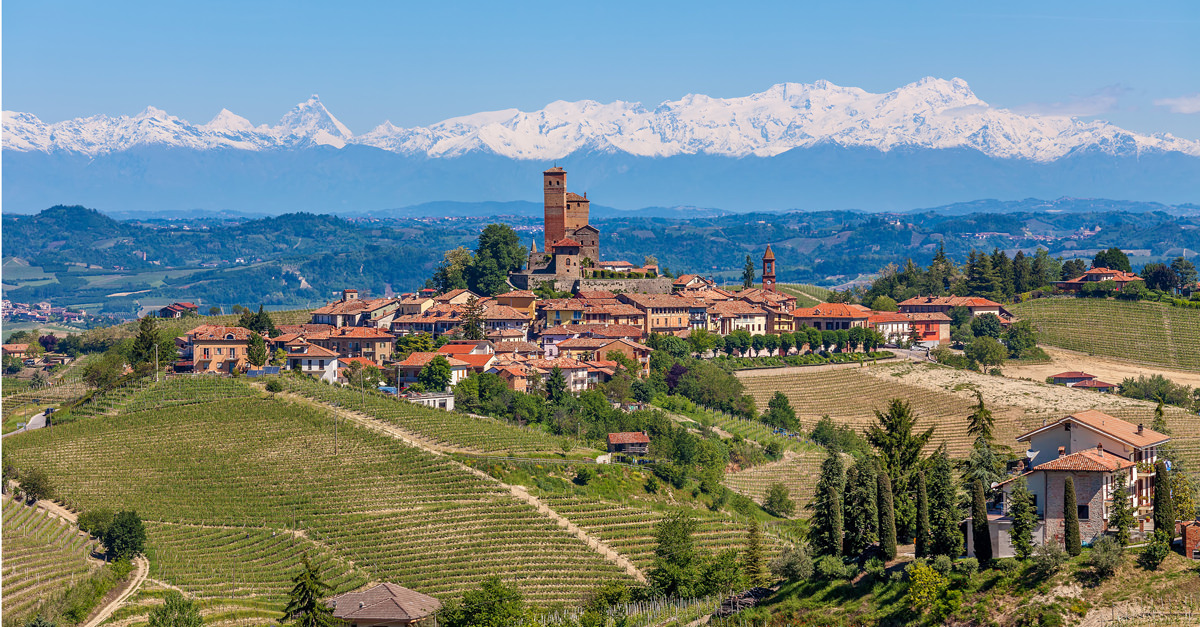
Where does one start when contemplating the ins and outs of a concise guide to Italian wine? I mean there are over 300 grape varieties, over 500 recognised appellations of origin and countless other quirks of tradition and style. So much to say and yet so much that couldn't possibly. Well clearly you can't ignore Barolo, 'Wine of Kings and King of Wines', the infamous Piemonte red made from 100% Nebbiolo. Harsh and tannic in youth, but ethereal and seductive with maturity; 'Tar and Roses' the phrase often heard to describe the wine's beguiling perfumes. If you only drink one more wine before transcending this world, make sure it is Barolo.
What about Amarone? In the Northeast's Veneto region, dried Corvina, Rondinella and Mollinara grapes are pressed into a luxurious and hedonistic red, whose layered dark fruits don't come without a powerful blast of alcohol. You have been warned. In Tuscany, amongst the iconic vines, stone farmhouses and cypress trees, the three Tuscan masters compete for attention. Chianti Classico DOCG, Vino Nobile di Montepulciano DOCG and of course Brunello di Montalcino DOCG, all Sangiovese based yet radically different. DOCG? Yes. Denominazione di Origine Controllata e Garantita, the Italian concept of regulated origin and in theory a reference to highest classification of Italian wines available. Next in rank is DOC and IGT, a more general indication of origin vaguely in line with the French Vin de Pays system.
Don't be fooled, the good and bad exists in each category. Huge progress is being made in the south. The elegant white wines of Campania are going from strength to strength, Fiano di Avellino and Greco di Tufo. Even Falanghina is worth a punt. There are plenty of indigenous red varieties constantly improving as well. Aglianico del Vulture is perhaps one of the great wines of the South, alongside Puglia's warm, rich expressions of Primitivo and Negroamaro. And what about bella Sicilia? A wine-making revolution has taken place in Sicily over the last twenty years, now producing clean, modern juicy reds from Nero d'Avola and Nerello Mascalese, not to mention sunny and ripe takes on Merlot, Cabernet and Syrah.
Looking to pair something with seafood? Inzolia, Cattarratto, Grillo and Chardonnay combine very well indeed and are integral to any notions of Sicilian cuisine. Hunt down Vermentino from Sardegna or indeed Cannonao (the local name for Grenache), and be sure not to miss Verddichio from Le Marche, or the great whites of the Veneto – Lugana and Soave. Prosecco needs no introduction while the fairly unknown but magnificent Franciacorta can rival many Champagnes for classification. There is certainly enough going on in Italian wine to keep even the most committed wino busy for a long, long time.
Italy’s wine classification system is designed to indicate origin, production rules and, in theory, quality. It developed gradually during the second half of the twentieth century as Italy moved from a largely agricultural wine culture toward a modern system focused on appellations and regional identity.
The structure is divided into four main categories: Vino da Tavola, Indicazione Geografica Tipica, Denominazione di Origine Controllata and Denominazione di Origine Controllata e Garantita. These categories form a hierarchy based primarily on geographic definition and regulatory strictness rather than a simple scale of quality.
Vino da Tavola is the most basic level. The term simply means table wine and historically referred to everyday wines without a defined geographic indication. Producers had few restrictions on grape varieties, blending or winemaking. For much of the twentieth century this category contained both inexpensive bulk wines and some ambitious wines that did not fit the rigid DOC rules. In recent decades the category has largely disappeared for serious producers, as most wines now fall into the IGT tier.
Indicazione Geografica Tipica, usually abbreviated to IGT, was introduced in 1992. It was designed to recognise wines that expressed a broader regional identity while allowing producers greater freedom with grape varieties and winemaking methods. IGT wines must come from a defined geographic area but the regulations are deliberately flexible. This category became famous in Tuscany during the rise of the so called Super Tuscan movement, when producers used international varieties such as Cabernet Sauvignon and Merlot rather than the traditional blends required by local DOC rules.
Denominazione di Origine Controllata, or DOC, forms the core of the Italian appellation system. Each DOC defines a specific geographic zone and establishes rules governing grape varieties, yields, alcohol levels and sometimes ageing requirements. The aim is to preserve regional tradition and ensure consistency. There are hundreds of DOC zones across Italy, ranging from large areas such as Soave to smaller, more specialised regions.
Denominazione di Origine Controllata e Garantita, abbreviated to DOCG, represents the highest official classification. DOCG wines follow stricter production rules than DOC wines and must pass a tasting panel before release. Bottles are sealed with a numbered government strip around the neck, intended to guarantee authenticity. Many of Italy’s most famous wines, including Barolo, Brunello di Montalcino and Chianti Classico, fall into this category.
In practice the system is best understood as a framework that links wine to place. The higher tiers impose tighter geographic and production controls, but they do not automatically guarantee quality. Some producers deliberately choose IGT status to allow greater freedom in the vineyard and cellar. As a result, the Italian classification system reflects both tradition and experimentation, balancing the protection of regional identity with the creative instincts of its winemakers.
In Italy, wine tourism often revolves around historic towns and small cities rather than isolated wineries. Places such as Montalcino, Barolo and Montepulciano act as natural centres for exploration, where cellars, restaurants and wine bars sit within walking distance of medieval streets and public squares. This structure allows visitors to experience wine as part of a wider cultural landscape in which local food, architecture and community life remain closely intertwined with viticulture.

