Region
Puglia is often considered to be the engine room of Italy's red wine production, producing large quantities of inexpensive wines, particularly Primitivo. Nevertheless Puglia also offers some interesting high quality DOCG wines from fascinating microzones. In recent years there has been renewed interest in the region’s local grape varieties such as Negroamaro, Nero di Troia and Susumaniello.
20
55
Stretching down the southeastern edge of Italy like the heel of a boot, Puglia is a sun-drenched land bordered by the Adriatic Sea to the east and the Ionian to the south. Known for its long coastline, olive groves, and whitewashed hill towns, Puglia blends Mediterranean brightness with agricultural abundance. The region has been a vital crossroads for millennia, influenced by Greek, Roman, Byzantine, Norman, and Spanish cultures. Its architecture—from the trulli houses of Alberobello to the baroque cityscapes of Lecce—testifies to a rich and layered history. Culturally, Puglia is both rooted and exuberant, with folk traditions like tarantella music, vibrant religious festivals, and a cuisine centered on wheat, vegetables, legumes, and seafood.
From a gastronomic perspective, Puglia is one of Italy’s most authentic and self-sufficient regions. Dishes like orecchiette con le cime di rapa, fava bean purée with chicory, and burrata reflect a tradition of peasant ingenuity and seasonal eating. The region produces more olive oil and durum wheat than any other in Italy, and until recently, it also produced more wine—though much of it was destined for blending in other regions. Today, Puglia is undergoing a transformation, moving from a bulk wine powerhouse to a center of quality and character, with a renewed focus on indigenous grape varieties and terroir-driven wines that reflect its sun-soaked landscapes.
Viticulture in Puglia dates back to at least the 8th century BCE, when Greek colonists began cultivating vines along the Adriatic coast. The region's strategic location and fertile soils made it an important wine-producing area during the Roman Empire, with wines shipped north to supply urban centers. In the Middle Ages, monasteries and feudal estates maintained vineyards primarily for local consumption. However, from the 18th century onward—and particularly in the 20th century—Puglia’s wine industry became dominated by quantity over quality. Vast tracts of land were planted with high-yielding grapes, and much of the wine was sold in bulk to northern Italy or France to bolster weaker blends.
The turning point began in the late 20th century, as both global markets and local producers began to value authenticity and distinctiveness. Cooperative wineries modernized, and small family estates started bottling under their own labels. The EU’s vine pull schemes also helped reduce surplus production, making room for more focused, quality-driven viticulture. In particular, interest in native grapes like Primitivo, Negroamaro, and Nero di Troia gained momentum, and these varieties began to define the region’s modern identity. Today, while Puglia still produces large volumes of wine, it is increasingly recognized as a source of high-quality, bold, and characterful reds, along with fresh rosés and promising whites from select areas.
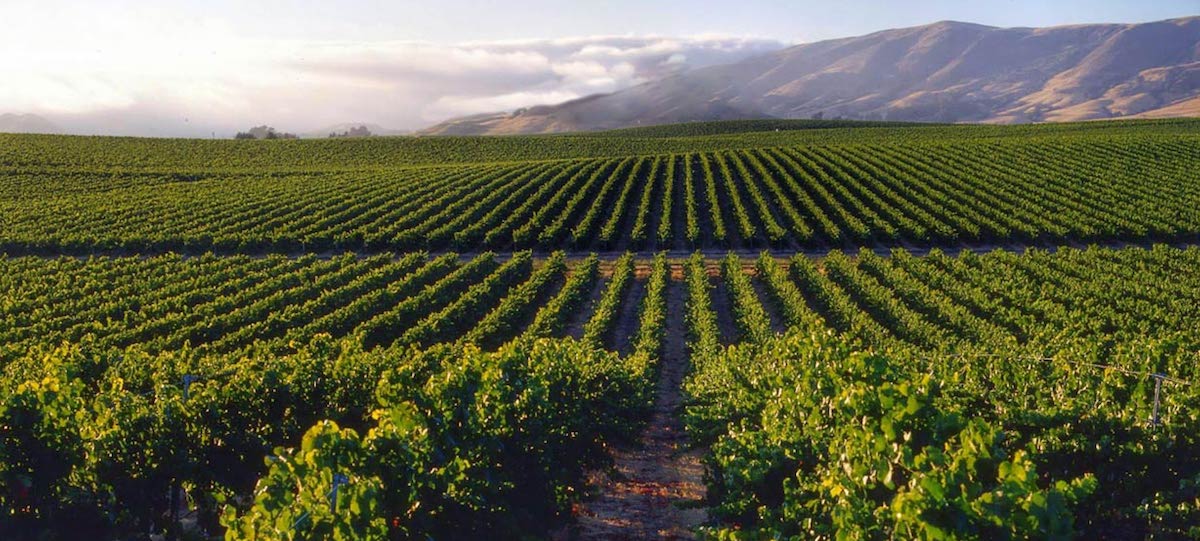
Puglia’s terroir is defined by its hot, arid climate, limestone-rich soils, and flat to gently rolling topography. The region’s vineyards stretch across two major areas: the Salento Peninsula in the south and the Murgia plateau in the north. Salento, flanked by the Adriatic and Ionian Seas, benefits from constant breezes and maritime influence, which help moderate the intense summer heat and reduce disease pressure. The soils here are a mix of red clay, sand, and limestone, which support ripening and drainage while preserving acidity in the grapes. These conditions are ideal for bold, sun-loving varieties like Primitivo and Negroamaro, which thrive under the region’s intense sunlight and dry conditions.
In northern Puglia, particularly in the Castel del Monte zone and the Alta Murgia, vineyards are planted at higher elevations (up to 500 meters), with calcareous, rocky soils and a more continental climate. This cooler environment favors Nero di Troia, which needs a longer growing season and benefits from diurnal temperature swings to preserve its aromatic complexity. In contrast, the central plains around Bari and Brindisi offer more fertile soils and flatter land, often supporting higher yields and more accessible wine styles. Across the region, water stress, old bush vines (alberello), and organic viticulture are becoming more common, helping define site-specific character and improving quality. Though once seen as homogeneous, Puglia’s terroir is now being explored with greater nuance and ambition.
Puglia’s viticultural heart lies in its indigenous red grape varieties, which dominate the region’s output and define its stylistic identity. Primitivo, genetically linked to Zinfandel, is grown primarily in the Salento and Manduria areas. It ripens early and easily accumulates sugar, yielding dense, fruit-forward wines with high alcohol and flavors of plum, blackberry, and spice. When well made, Primitivo balances its richness with freshness and minerality, especially in vineyards close to the sea. Negroamaro, another staple of Salento, produces darker, more savory wines with notes of black cherry, dried herbs, and a slightly bitter edge. Often blended with Malvasia Nera, it forms the backbone of Salice Salentino and many of the region’s best rosés.
Nero di Troia (sometimes called Uva di Troia) is native to northern Puglia and offers a counterpoint to the south’s opulence. It is a thick-skinned grape that can be tannic and brooding in youth, but with aging reveals complex aromas of violet, licorice, and forest floor. Whites play a secondary role in Puglian viticulture, but Verdeca, Bianco d’Alessano, and Fiano Minutolo are being revived with care. These grapes produce wines that are crisp, herbal, and often saline, ideal for pairing with local seafood. International varieties like Chardonnay, Syrah, and Merlot are also present and perform well, though the current trend favors native varieties, often from old vines trained in traditional bush vine systems.
Puglia has four DOCG zones and over 25 DOCs, although the majority of the region’s wine is still produced under the Puglia IGT label, offering greater flexibility for varietal and stylistic experimentation. The most prominent DOCGs are Primitivo di Manduria Dolce Naturale DOCG, a naturally sweet version of the famed red wine made from Primitivo, and Castel del Monte DOCG, which includes both red and rosé wines, as well as Riserva and Nero di Troia varietals. These DOCGs are located in the southern Salento Peninsula and northern Bari province, respectively, and represent the stylistic poles of the region—from rich, sun-drenched wines in the south to more structured, elegant expressions in the north.
Among the DOCs, Primitivo di Manduria DOC is the most famous internationally, producing robust, ripe, high-alcohol red wines with jammy fruit and spice. Salice Salentino DOC, based around the town of the same name, is the home of Negroamaro, often blended with Malvasia Nera to produce savory, earthy reds and vibrant rosati. Copertino, Brindisi, and Leverano are additional Negroamaro-strong DOCs in Salento. Castel del Monte DOC, centered around the octagonal medieval castle of Emperor Frederick II, is known for wines based on Nero di Troia, a thick-skinned red grape native to northern Puglia. Whites from Gravina, Locorotondo, and Martina Franca DOCs—often made from Verdeca and Bianco d’Alessano—round out the region’s appellation diversity, although they are far less well known outside Italy. Increasingly, high-quality producers use the IGT Puglia classification to craft single-varietal wines or blends that fall outside the stricter DOC parameters.
Puglia is undergoing a quality revolution, moving away from its bulk wine past toward a future rooted in authenticity, terroir, and native grape expression. One of the most important trends is the return to old-vine vineyards, particularly bush-trained (alberello) Primitivo and Negroamaro, which offer concentration and depth even under extreme climatic conditions. Many top producers are converting to organic farming, reducing yields, and working with minimal intervention in the cellar. There is also a growing interest in single-varietal bottlings of historically overlooked grapes like Nero di Troia and Bianco d’Alessano, offering consumers a wider and more nuanced view of the region.
Rosé is another area of rapid growth. Long known for its rosato tradition, Puglia is now producing high-quality roséswith texture, structure, and serious intent, many of which rival those from Provence. Additionally, winemakers are experimenting with amphorae, native yeast fermentation, and extended maceration, particularly under IGT labels. The international market is responding positively, especially to Primitivo di Manduria and Salento Negroamaro, which offer richness and value. At the same time, sommeliers and importers are beginning to embrace the more elegant, terroir-driven wines from Castel del Monte and beyond. Puglia, once dismissed as merely a wine factory, is now one of the most promising and progressive regions in southern Italy, combining sun, soul, and serious winemaking.

