Region
The Veneto is one of Italy's most important wine regions and boasts a plethora of distinctive wines. From Soave to Amarone, Prosecco to Durello, Lugana to Bardolino, there is a huge world of stunning wines to discover.
35 (showing 20)
183
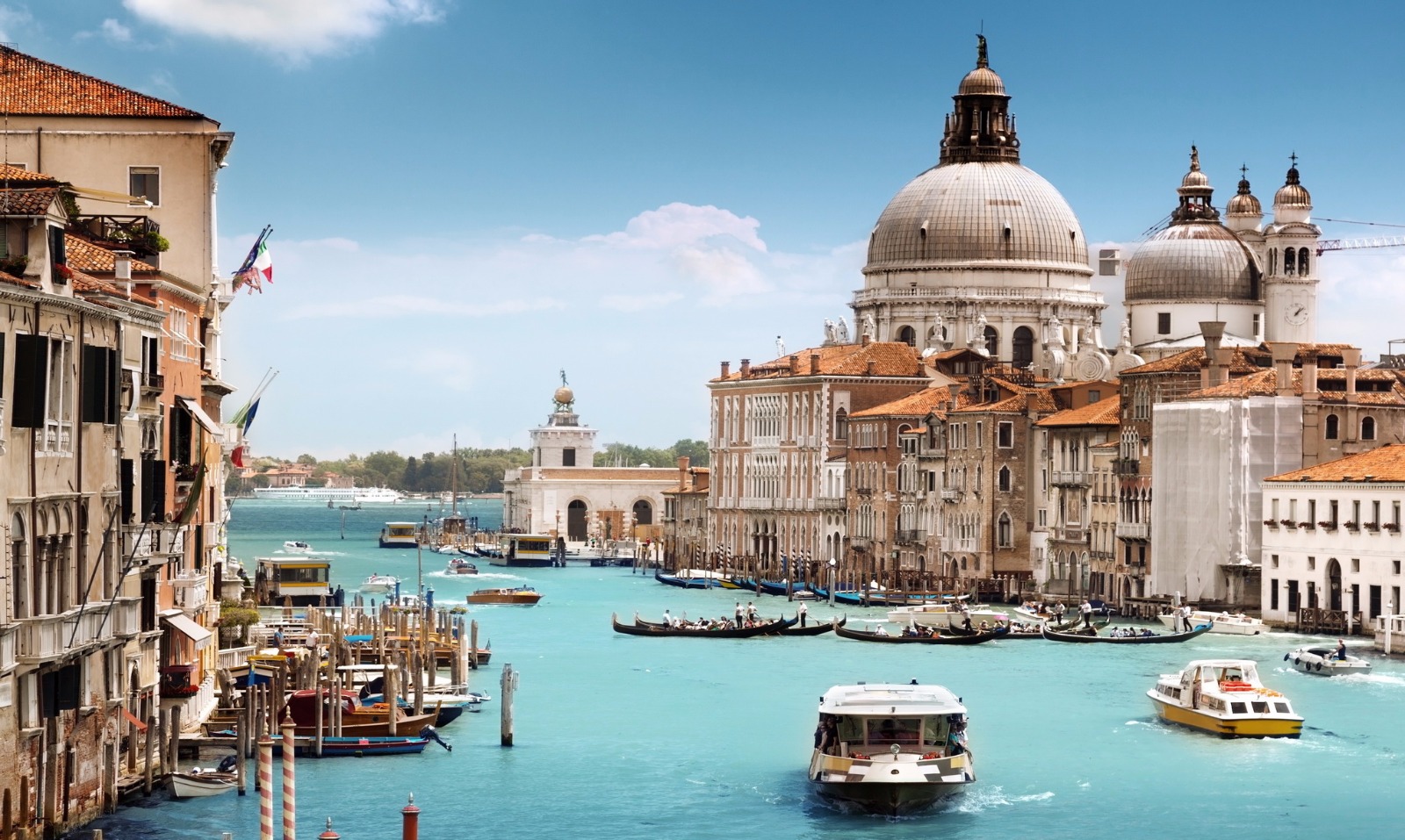
Veneto, located in northeastern Italy, stretches from the northern slopes of the Dolomites to the shores of the Adriatic Sea, encompassing a strikingly diverse landscape of mountains, plains, rolling hills, and coastal lagoons. It is bordered by Lombardy to the west, Emilia-Romagna to the south, and Friuli–Venezia Giulia to the east, with the Alps providing a dramatic backdrop to the north. The region is culturally anchored by Venice, a city of incomparable beauty and historical influence, which served as a maritime republic and commercial powerhouse for centuries. Beyond Venice, cities like Verona, Padua, and Vicenza offer rich architectural, literary, and artistic traditions. Veneto is a region of wealth and work ethic, known for both its industrial innovation and agricultural abundance.
Culinary traditions in Veneto range from seafood risottos and baccalà mantecato on the coast to rich polenta dishes, game, and amarone-braised meats in the interior. The food is often defined by texture, subtlety, and balance—traits also mirrored in the wines. Veneto is Italy’s most prolific wine-producing region by volume, and its success lies in both tradition and adaptability. From everyday-friendly Prosecco to the deep, meditative reds of Valpolicella, and the crisp whites of Soave, Veneto’s wines are as varied as its landscapes. It is a region that has mastered the art of producing both in bulk and at the highest levels of quality, maintaining a strong presence in global markets while nurturing zones of artisanal excellence.
Winemaking in Veneto dates back to pre-Roman times, with the Euganei and Rhaetians cultivating vines on volcanic hills and alpine foothills long before Roman viticulture formalized practices across the region. The area’s strategic location—along ancient trade routes and near major waterways like the Po River and Adige—helped it become a center of agricultural exchange. During the Roman Empire, wine from the region was prized and widely traded. In the Middle Ages, monastic orders and feudal estates preserved viticulture, especially around Verona and the Colli Berici, while the rise of Venice as a commercial superpower expanded the reach of Veneto’s wines across the Mediterranean.
In the 20th century, Veneto became a leader in both volume and modernization. The development of the charmat methodfor sparkling wine, along with the strategic expansion of Prosecco, positioned the region as a global player. Meanwhile, the hills of Valpolicella and Soave became centers of quality red and white production, respectively. By the 1980s and 1990s, a movement toward reduced yields, site selection, and renewed respect for indigenous grapes led to a renaissance in certain appellations. Today, Veneto exemplifies the tensions and possibilities within modern Italian wine: a place where mass production coexists with craftsmanship, and where global popularity has both helped and challenged the pursuit of terroir expression.
Veneto’s terroir is shaped by contrasts in elevation, geology, and climate. In the north, vineyards are nestled into the pre-Alpine foothills, especially around Valpolicella, Soave, and the Prosecco Hills, where elevations can exceed 500 meters. These hilly zones benefit from excellent drainage, diurnal shifts, and complex soils—limestone, marl, basalt, and volcanic tuff—which contribute to wines of freshness, structure, and aging potential. The Valpolicella Classicozone, in particular, is prized for its chalky soils and cool air from the Monti Lessini, which balance the richness of Amarone.
The Soave Classico area lies on ancient volcanic hills, with black basalt and tufa offering ideal conditions for Garganega, yielding whites of minerality, structure, and finesse. In contrast, the Prosecco DOC zone extends across flatter plains, often with clay, silt, and gravel-rich soils, producing softer, more fruit-forward wines. However, in the steeper Valdobbiadene and Asolo zones, the soils are thinner and stonier, the vineyards steeper, and the wines more focused and expressive.
Further south and west, the Lugana zone near Lake Garda benefits from glacial clay soils and a mild, lake-influenced climate, producing ripe but balanced white wines. The Colli Berici and Colli Euganei, two minor but rising zones, offer elevations between 200–400 meters with limestone and volcanic subsoils, supporting age-worthy reds, especially from Carmenère, Merlot, and Tai Rosso. The diversity of soils and climates across Veneto allows a wide spectrum of wine styles, and where yields are controlled, the terroir speaks with clarity.
Veneto’s viticulture is defined by its use of indigenous grapes, many of which are grown only locally, alongside international varieties that have found a natural home in the region. Among reds, the backbone of Valpolicella and Bardolino wines is Corvina Veronese, a grape valued for its bright acidity, cherry fruit, and capacity to develop complexity through appassimento. Corvinone, once considered a clone, is now recognized as a distinct variety and adds body and darker fruit. Rondinella, and to a lesser extent Molinara, are supporting actors in the classic blends, offering color and herbal lift.
For whites, Garganega is king in Soave, delivering wines that balance freshness and structure, with notes of white peach, almond, and flint. In Lugana, the Turbiana grape (closely related to Verdicchio) is the basis for mineral, structured whites with aging potential. In the northeast, Glera is the essential grape for Prosecco, yielding high-acid, floral, and lightly pear-scented sparkling wines. Manzoni Bianco, Vespaiola, and Durella are lesser-known but increasingly appreciated for their texture and aging ability.
International varieties also play a significant role—especially Merlot, Cabernet Sauvignon, Chardonnay, and Pinot Grigio, the latter of which is widely planted in Friuli and Veneto and forms a major export product. While some international wines are anonymous, when grown in hillside sites and made with care, they can show real regional character. The grape diversity of Veneto mirrors its cultural openness, but its most compelling wines are still those based on native varieties grown in traditional zones.
Veneto boasts an extensive and complex system of appellations, including 14 DOCGs and nearly 30 DOCs, reflecting its size and diversity. Among the most renowned is Amarone della Valpolicella DOCG, a unique dry red wine made from semi-dried Corvina, Corvinone, and Rondinella grapes using the appassimento method. This powerful, age-worthy wine is produced in the Valpolicella Classico zone north of Verona, alongside Valpolicella DOC, which also includes Valpolicella Ripasso DOC—a style where young red wine is refermented on Amarone lees for added complexity.
Equally important is Soave DOC, centered around the town of Soave near Verona. Made primarily from Garganega, Soave ranges from simple, easy-drinking wines to serious, mineral-driven examples from Soave Classico DOC and Soave Superiore DOCG. On the other side of the spectrum is Prosecco DOC, a massive appellation encompassing large swaths of northeastern Veneto and Friuli. While much of it is produced in bulk, the Conegliano Valdobbiadene Prosecco Superiore DOCG and Asolo Prosecco DOCG zones, nestled in the hills between Treviso and Belluno, offer more nuanced and terroir-driven expressions from the Glera grape.
Other notable appellations include Bardolino DOC, producing light, fragrant reds from Corvina near Lake Garda; Lugana DOC, shared with Lombardy, known for elegant whites from Turbiana (Trebbiano di Lugana); and Colli Euganei DOC and Colli Berici DOC, where volcanic and limestone soils produce expressive reds and whites from both local and international varieties. Veneto’s appellation system reflects the region’s blend of tradition, adaptability, and commercial acumen—with room for both volume and virtuosity.
Veneto’s wine scene is marked by tension between industrial success and artisanal resurgence. On the commercial side, Prosecco continues to dominate export markets, driving plantings and production upward, especially in the plains of Treviso and Pordenone. This growth has raised concerns about overproduction and dilution of quality, leading many producers to refocus attention on the steep, hand-tended vineyards of Conegliano-Valdobbiadene, where single-vineyard and “Rive” bottlings offer transparency and finesse.
In Valpolicella, there is a movement away from the heaviness of modern Amarone toward more balanced, terroir-sensitive wines—often made without excessive oak or concentration. Some winemakers are revisiting traditional Valpolicella Classico styles, producing elegant reds with moderate alcohol and vibrant acidity. Soave, long overshadowed by mass-market bottlings, is undergoing a quiet revival, led by producers who champion low yields, volcanic terroir, and long-lived whites. Meanwhile, emerging zones like Colli Berici and Colli Euganei are gaining attention for Carmenère, Tai Rosso, and natural wines made from forgotten grapes.
The overarching trend is one of retrenchment and revaluation: producers are reconsidering their relationship to tradition, mass production, and terroir. Sustainability, lower alcohol, and site transparency are increasingly part of the conversation. In this light, Veneto’s true future may lie not only in its global wine power, but in the local voicesreclaiming the stories of its hills, grapes, and quiet craftsmanship.
Azienda Agricola Brigaldara · 2020

Cantina Abate · 2024
