Sub-region
Nizza DOCG is a Barbera-focused appellation in southern Piedmont, producing structured, age-worthy reds from select vineyards around the town of Nizza Monferrato. Elevated from Barbera d’Asti Superiore status in 2014, it represents the most ambitious expression of the grape, with strict production rules, longer ageing, and a growing number of site-specific wines.
4
15
The Nizza DOCG classification is a fantastic example of what can happen when producers work together to promote their local territory. Located in the heart of Piedmont, Nizza has long been considered one of the best areas of the Barbera d'Asti denomination due to its ability to produce concentrated wines that also offer freshness and aromatic complexity. This established belief has finally been recognised. For decades producers in Nizza have made reference to the sub-zone their wines come from. Making the link with their territory was a smart commercial move simply because so many in Piedmont knew the land produced better wines. . But what makes Nizza so special? Despite the inference that Nizza is a unanimous territory that was able to breakaway from the Barbera d'Asti DOC because of a common and well defined style is not quite true. The new Nizza production zone is made up of different soil types and as such offers a range of subtle variety across wines. The north of the area around the communes of Vinchio, Cortiglione, Incisa, Mombercelli and Mombaruzzo is largely sandy, while to the south, the area is made of of marl and sandstone. Marl soils usually produce wines that are a bit fuller with medium acidity with some decent shelf life. Sandy soils tend to give low intensity wines, with less structure and more acidity. They are more fragrant and elegant, but with lower alcohol and are ready to drink earlier.
The Nizza area has a centuries-old connection to Barbera, with historical documents mentioning viticulture in the Monferrato hills as early as the 13th century. The grape has been planted here for generations, appreciated for its resistance to disease, adaptability to warm slopes, and naturally high acidity. In the late 20th century, producers in and around Nizza Monferrato began pushing for recognition of their wines as distinct from broader Barbera d’Asti. In 2000, “Nizza” was introduced as a geographic mention under the Barbera d’Asti DOCG Superiore category. Years of advocacy, quality improvements, and viticultural zoning led to Nizza being granted full DOCG status in 2014, a rare move within the Italian appellation system.
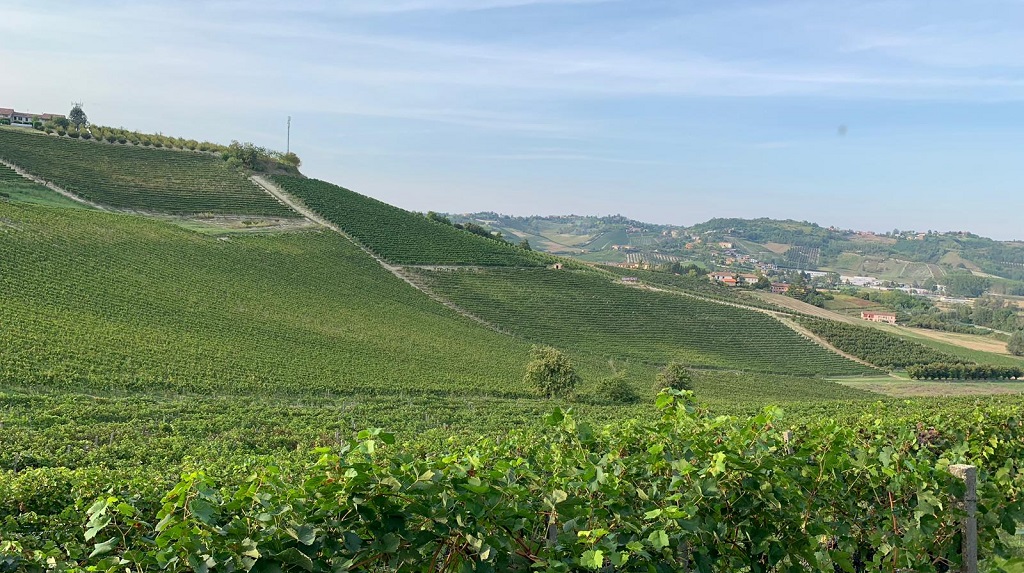
Nizza’s vineyards lie at elevations between 150 and 350 metres, on hills of calcareous marl, sandstone, and clay. The soils are well-draining yet retain enough moisture to sustain vines during dry summers. Exposure is crucial, most of the top vineyards face south or southwest, allowing for full ripening and concentration. The climate is continental with Mediterranean influences, marked by warm days and cool nights that help preserve acidity and aromatic freshness. Nizza’s location, away from the Alps and near the Apennines, gives it slightly warmer and drier conditions than neighbouring Barbera zones. This allows Barbera to achieve optimal ripeness, producing fuller-bodied wines with darker fruit and firmer tannins.
Nizza wines are typically deeply coloured, full-bodied, and marked by concentrated red fruit, spice, and firm structure. Barbera’s natural acidity provides lift and freshness, balancing the wine’s richness and high alcohol. Oak ageing adds complexity, with notes of vanilla, clove, and cocoa often appearing, though the best examples retain varietal purity. While youthful Nizza wines can be intense and expressive, top producers aim for balance and ageing potential. With time in bottle, the wines develop notes of leather, dried cherry, liquorice, and underbrush. Tannins, often modest in Barbera, are more pronounced here due to low yields and oak ageing. Nizza is one of the few Italian Barberas suited for 10–15 years of cellaring.
Barbera is the only permitted grape in Nizza DOCG. Known for its high acidity, low tannin, and vibrant red fruit, it adapts well to the warm, sunlit slopes of southern Piedmont. In Nizza, strict yield restrictions and careful vineyard selection enhance Barbera’s structure, colour, and phenolic depth. Producers often employ extended maceration and oak ageing—both large casks and barrique—to build tannic grip and textural weight. Unlike in other zones where Barbera is used for freshness or as a blending grape, in Nizza it is pushed to its limits, creating wines that combine ripeness with precision and backbone.
Nizza DOCG requires wines to be made from 100% Barbera, with maximum yields of 7 tonnes per hectare, significantly lower than in Barbera d’Asti. Wines must be aged at least 18 months (Nizza) or 30 months (Riserva), with wood ageing of at least six and twelve months respectively. Vineyard-designated (vigna) wines must meet stricter requirements, including lower yields and manual harvesting. Alcohol must be at least 13% for Nizza and 13.5% for Riserva. All grapes must be grown within the officially recognised communes, and vinification must occur within the production zone. The DOCG does not allow for sparkling or sweet versions.
Producers in Nizza are increasingly focused on site expression, drawing parallels to the cru system of Barolo and Barbaresco. Many estates now bottle single-vineyard Nizza wines, highlighting differences in soil, slope, and elevation. There’s also a growing move toward organic viticulture, as well as more restrained oak use to let Barbera’s natural qualities shine. Stylistically, there’s a tension between power and finesse. While the traditional model leaned into dark fruit and new oak, newer producers are seeking greater balance, freshness, and transparency. The recognition of Nizza as a DOCG has also attracted younger winemakers and investment, signalling a shift toward broader international recognition and nuanced interpretations of Barbera.

