Sub-region
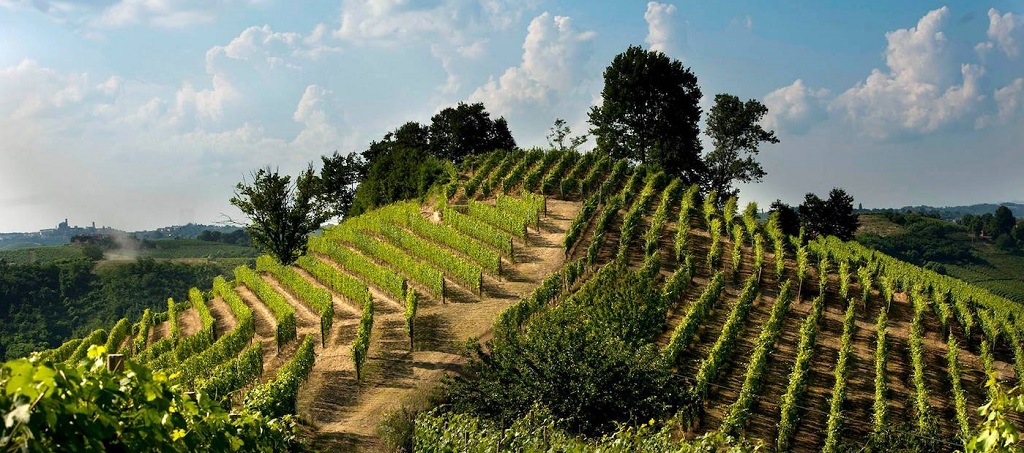
Roero DOCG is a hilly appellation in Piedmont producing fragrant, structured Nebbiolo reds and elegant, mineral-driven whites from Arneis. Lying northwest of Alba across the Tanaro River, Roero offers a lighter, earlier-drinking counterpart to Barolo and Barbaresco, with sandy soils and a distinctive mix of freshness and finesse.
4
20
Roero DOCG is located in the northwestern part of Piedmont’s Langhe region, across the Tanaro River from the famed Barolo and Barbaresco zones. It takes its name from the historical Roero family, a powerful medieval dynasty, and has long been known for its mix of red and white wines. The region is defined by steep, sandy hills, a patchwork of woodland and vines, and a slightly warmer, drier microclimate than its neighbours to the south.
Although it shares the same Nebbiolo grape as Barolo and Barbaresco, the Roero area produces wines of a different character, generally more floral, accessible, and quicker to mature. It is also the spiritual home of Arneis, a white grape that nearly disappeared in the 20th century but has since been revived as an important variety in the region. The region’s DOCG status, awarded in 2005, recognises both its historical significance and growing quality focus.
Viticulture in Roero stretches back to Roman times, with references to wine production in the area appearing in medieval documents. For centuries, Roero was part of a broader viticultural landscape that included nearby Alba and the Tanaro Valley. In the 19th century, it was best known for its red wines made from Nebbiolo and white wines from Arneis and Favorita.
By the mid-20th century, Roero had lost much of its visibility, and Arneis in particular was on the verge of extinction. However, the work of dedicated growers, most notably Giovanni Battista Burlotto and Alfredo Currado of Vietti, brought renewed attention to the area. Arneis was re-established as a serious white grape, and the red wines of Roero gained traction as a fresher, more fragrant alternative to Barolo. In 2005, Roero was elevated from DOC to DOCG, recognising the region’s distinct identity and improved standards.
Roero’s hills rise between 250 and 400 metres, with slopes facing a variety of exposures. The soils are primarily marine-origin sandy soils, with layers of limestone and clay in some areas. These sandy deposits, formed millions of years ago when the Po Valley was under water, are lighter and less compact than the heavier marl soils found in Barolo and Barbaresco.
This soil composition influences the style of the wines: Nebbiolo grown here tends to produce paler, more perfumed wines with finer tannins and earlier maturity. Arneis benefits from the same drainage and light reflection, developing aromatic complexity without excessive ripeness. The climate is continental, with warm days and cool nights, and Roero often receives slightly more sun and slightly less rainfall than the Langhe hills across the Tanaro River.
Roero Rosso wines are typically lighter in colour and structure than Barolo or Barbaresco but can still be serious, age-worthy reds. They often show aromas of rose petal, cherry, redcurrant, and spice, with a firmer acid profile and slightly softer tannins than their Langhe counterparts. The best examples retain Nebbiolo’s tension and aromatic lift, with greater approachability in their youth.
Roero Arneis is among Italy’s most compelling white wines. At its best, it shows aromas of pear, white peach, fennel, almond, and chamomile, with a dry, gently textured palate and a mineral, saline finish. The style is rarely showy or overtly fruity; instead, it is subtle, refined, and structured. While most Arneis is intended for early consumption, top examples can evolve gracefully over several years.
Nebbiolo is the sole red grape permitted in Roero Rosso, making up at least 95% of the blend. In Roero’s sandy soils, Nebbiolo tends to ripen slightly earlier than in Barolo or Barbaresco, resulting in wines with bright aromatics, less extraction, and softer tannins. Producers often seek finesse over power, using shorter maceration times and less new oak.
Arneis, the region’s signature white grape, is required for Roero Arneis DOCG. Known as the “little rascal” for its temperamental nature in the vineyard, Arneis produces delicately aromatic wines with good body and moderate acidity. It is rarely blended, though up to 5% of other authorised white varieties are permitted. Arneis is sometimes fermented in stainless steel for freshness, though a small number of wines see partial oak or lees ageing.
The Roero DOCG encompasses both red and white wines, each with its own set of rules. Roero Rosso DOCG must be made from at least 95% Nebbiolo and aged for a minimum of 20 months, including six in wood. A Riserva version requires at least 32 months of ageing. These wines offer a structured yet approachable take on Nebbiolo, often with vibrant fruit and floral lift.
Roero Arneis DOCG covers dry white wines made from at least 95% Arneis. These wines may be labelled simply as Roero Arneis or with Spumante if made sparkling. Arneis wines must be released after at least four months of ageing, with no oak required, though some producers experiment with fermentation or ageing in wood or on lees for added complexity. A small number of late-harvest (vendemmia tardiva) and single-vineyard bottlings exist but are not officially classified.
Roero Rosso DOCG wines must contain a minimum of 95% Nebbiolo and be aged for at least 20 months, including six in oak. Roero Rosso Riserva requires 32 months of ageing, also with a six-month wood minimum. Alcohol must be at least 12.5%. The wines must be produced and bottled within the defined DOCG area, and yields are capped at 8 tonnes per hectare.
Roero Arneis DOCG wines must contain at least 95% Arneis, with a minimum alcohol of 11% and a maximum yield of 10 tonnes per hectare. Sparkling versions (Spumante) follow slightly different rules but must still be made from predominantly Arneis grapes. Labelling may include the village or vineyard name, provided the wine is vinified and bottled within the appellation boundaries.
Roero has seen a quiet resurgence, especially among small producers embracing organic viticulture, spontaneous fermentation, and site-specific bottlings. As land prices in Barolo and Barbaresco rise, Roero is increasingly viewed as a place for younger growers to establish themselves and experiment with less pressure. This has encouraged a focus on finesse, transparency, and regional character, rather than extraction or opulence.
Arneis continues to benefit from renewed interest, with producers paying greater attention to farming, harvest timing, and winemaking technique. There’s a shift away from over-ripeness and excessive aromatic yeast use toward leaner, more mineral styles. Meanwhile, Roero Nebbiolo is finding its place on wine lists and in cellars as a more accessible, terroir-driven expression of one of Italy’s greatest grapes.
Giovanni Battista Burlotto and Alfredo Currado of Vietti played pivotal roles in saving Arneis from extinction in the 1970s, with Vietti bottling one of the first modern examples. Today, Bruno Giacosa is widely credited with elevating Arneis to world-class status, particularly through wines from the Roero hills around Canale.
Matteo Correggia is another key figure, whose work in the 1980s and 1990s helped raise Roero’s profile for both reds and whites. His influence persists through his estate’s ongoing commitment to quality and terroir. Other notable producers include Giovanni Almondo, known for mineral-driven Arneis; Angelo Negro, a benchmark estate with historical roots; and Valfaccenda, a younger producer experimenting with minimal intervention and native fermentation.
For classic Roero Rosso, seek out Matteo Correggia’s Roero Riserva Ròche d’Ampsej, which combines perfume with structure. Monchiero Carbone’s Printi and Pace Nebbiolo offer refined, age-worthy expressions. For Arneis, Bruno Giacosa, Giovanni Almondo’s Bricco delle Ciliegie, and Roagna’s Solea showcase the variety’s depth and elegance. Fans of lower-intervention wines will enjoy Valfaccenda’s Roero Arneis, which highlights the grape’s potential when made with minimal sulfur and long lees ageing. For sparkling Arneis, Angelo Negro offers a clean, crisp example under the Spumante classification.

